The first iron bridge was built like a wooden one
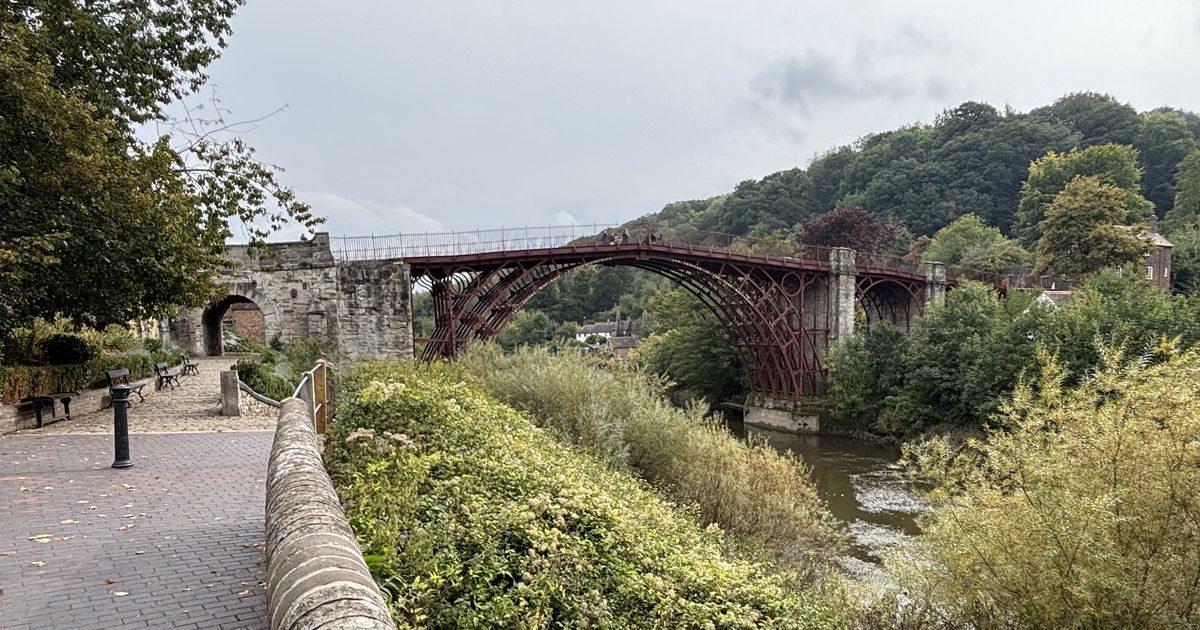
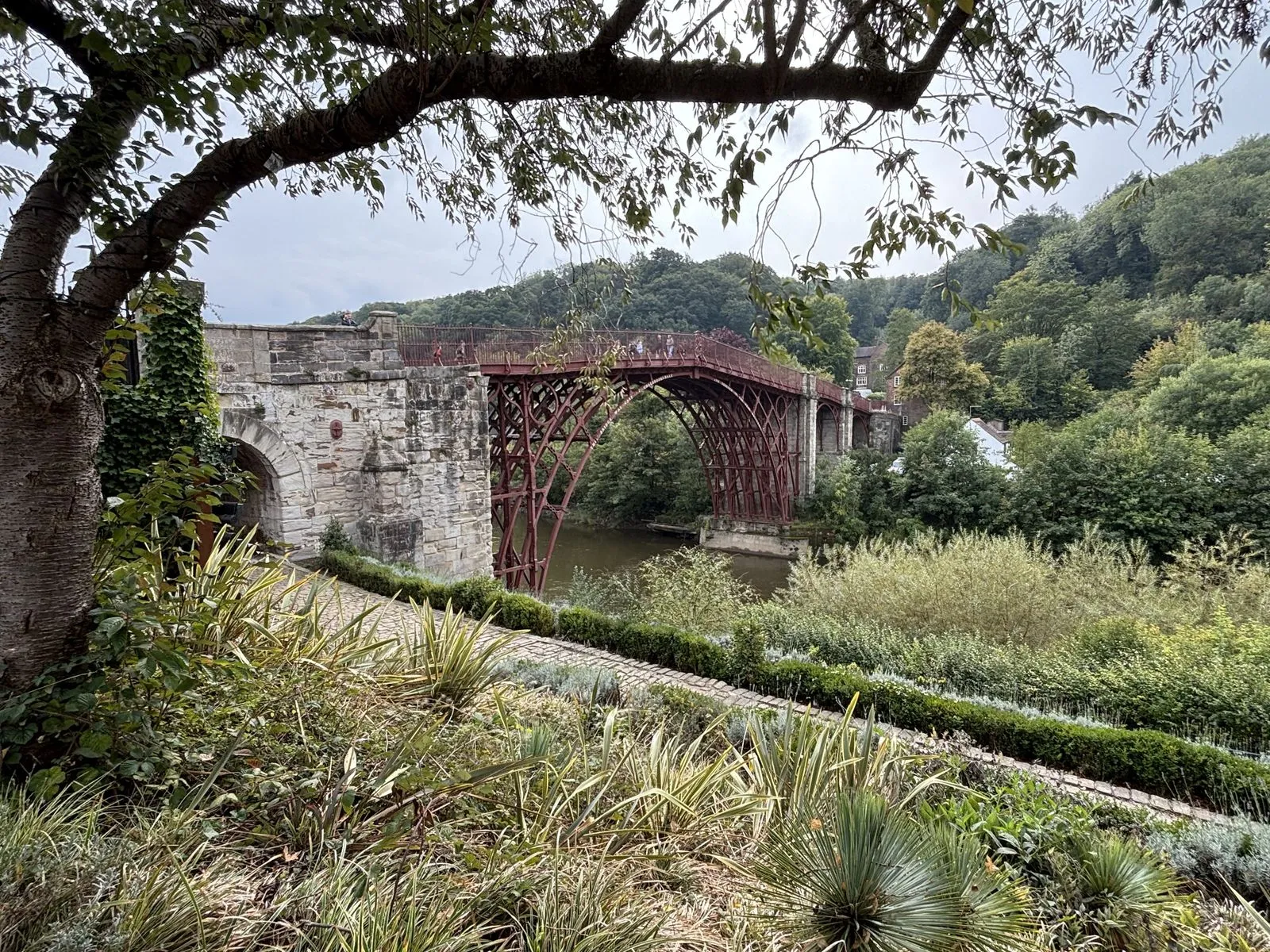
In Shropshire, England, there’s a bridge over the River Severn that gave its whole valley its name. The Iron Bridge went up in the summer of 1779 and opened on New Year’s Day 1781. It was the world’s first bridge made of cast iron. I’ve stood on it, and I keep thinking about it.
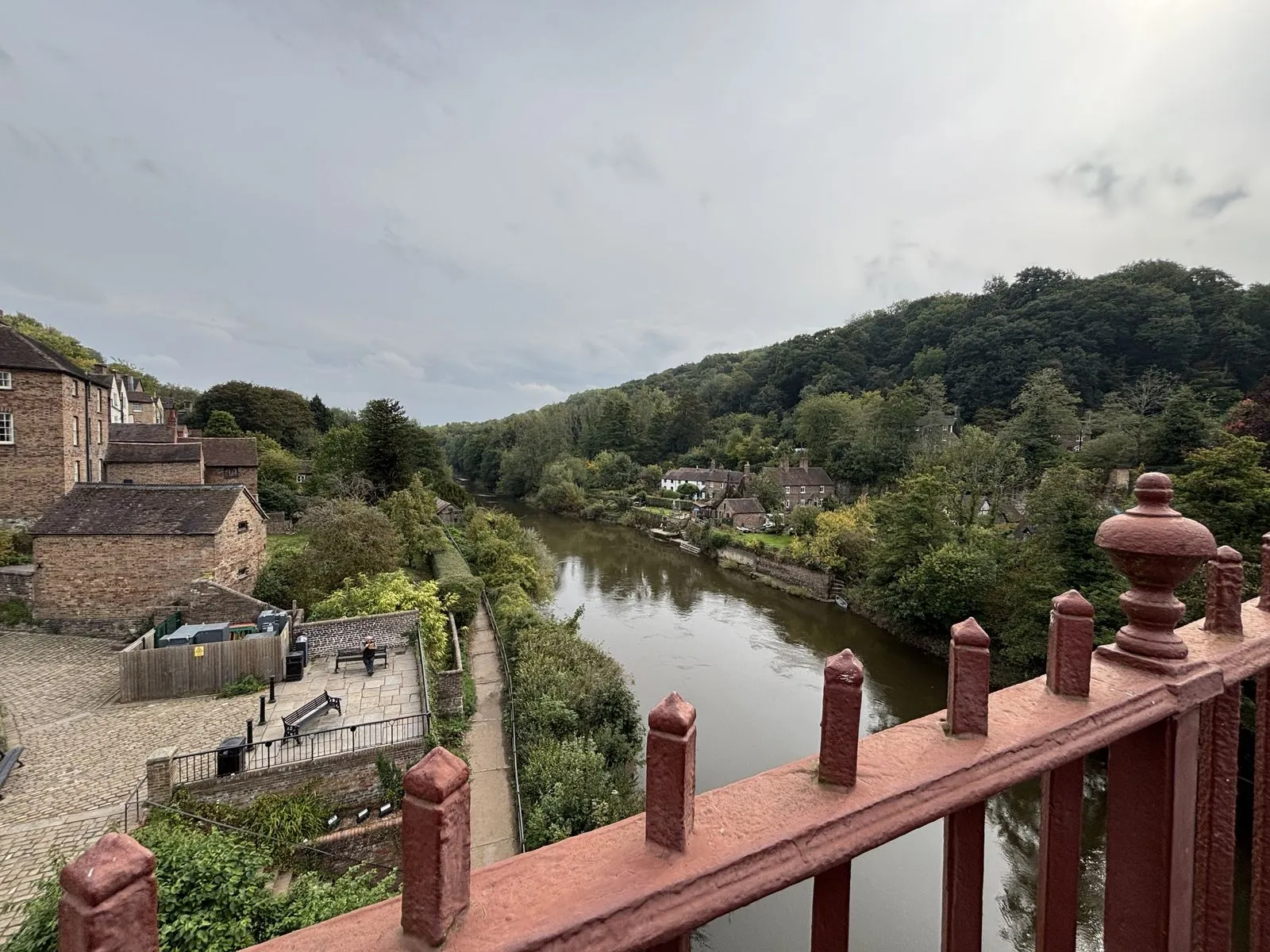
Nobody had built with iron before
Iron was the new material. People knew it was strong. Nobody knew the rules. There was no manual, no engineer who’d done it before, no bridge to copy.
So the builders did the sensible thing: they used what they knew. They joined the iron pieces with woodworking joints, dovetails and mortise-and-tenon, the way a carpenter would put together a wooden bridge. A new material, built with an old method.
They didn’t know how much it would take, either. The plan called for about 300 tons of iron. The finished bridge used 379. When you can’t see what the load will be, you build heavy to be safe.
Then they made everything out of iron
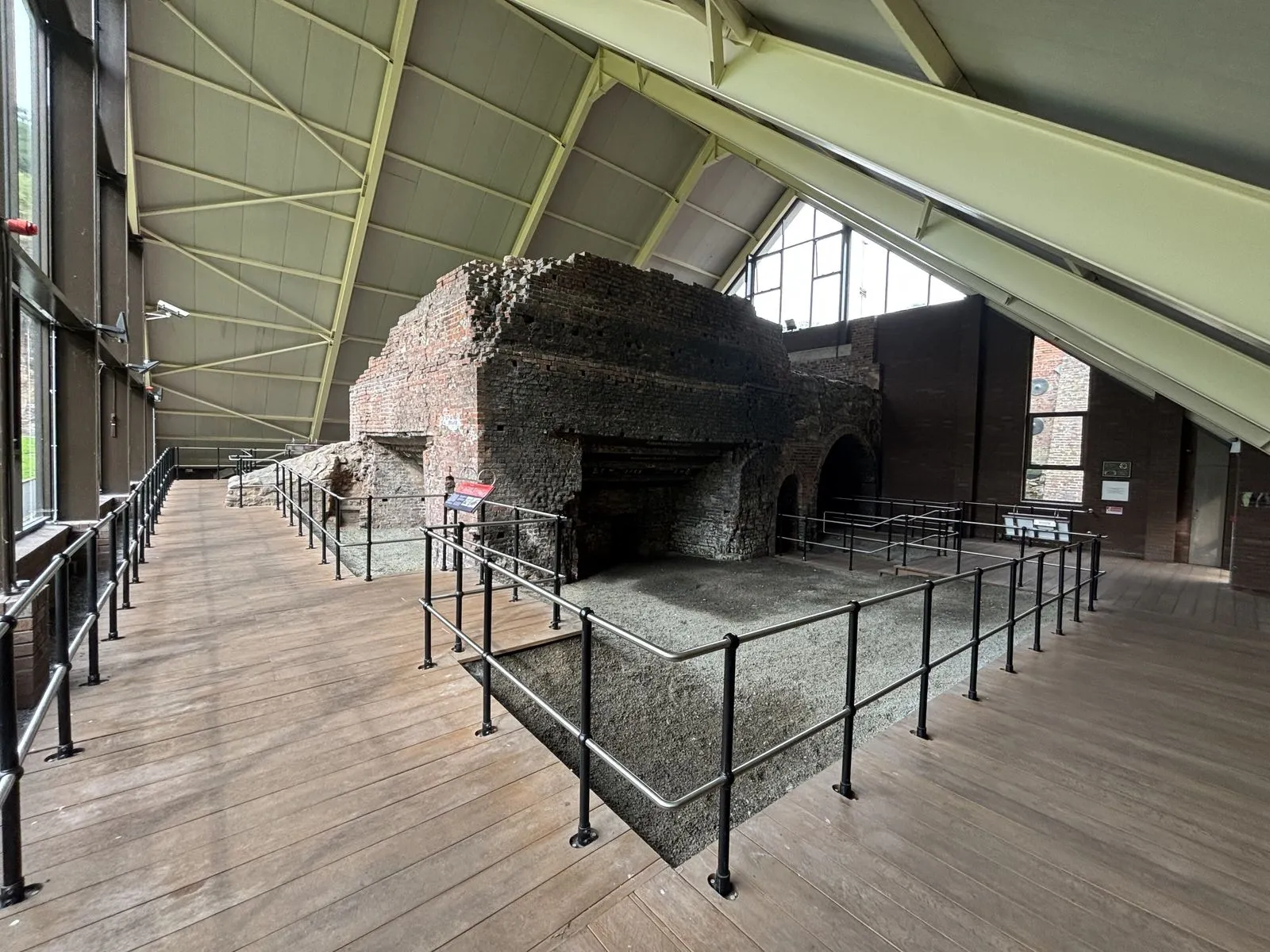
Just up the valley is Coalbrookdale, where the Darby family changed how iron was made in the early 1700s. Their old furnace is still there, and next to it is the Museum of Iron. Walking through that museum is the part that stuck with me.
Once iron could be cast cheaply, they made everything out of it. In that period, iron was our plastic. Chairs. Tables. Fireplaces. Fountains, statues, garden benches. Toys. A two-foot dog statue for the garden, the kind you’d buy today in plastic, weighing two pounds, only this one was cast iron. It was like walking through a modern home store where every single thing is iron, and all of it weighs a ton. I can only imagine shipping it around the world.
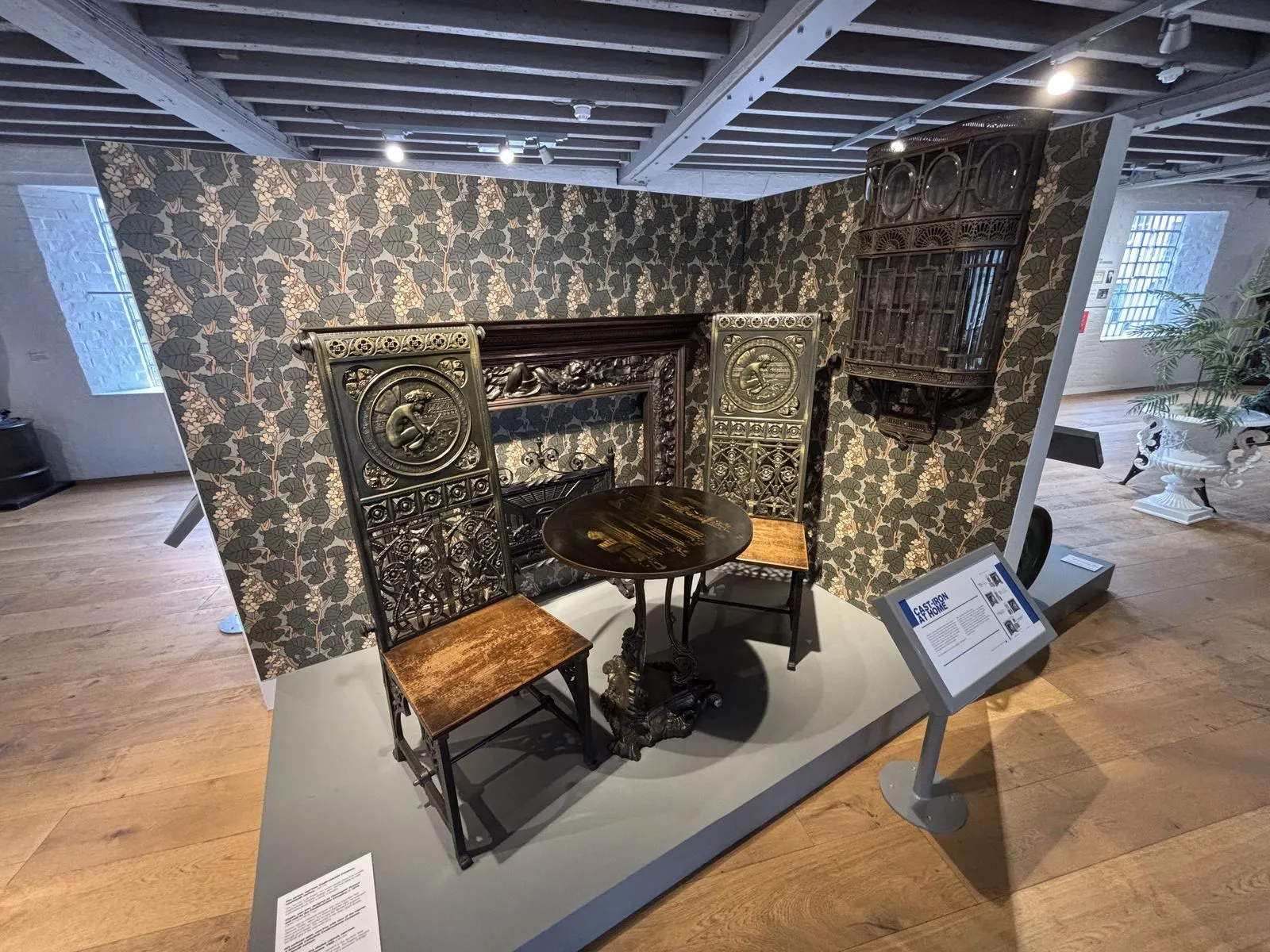
Some of it was brilliant, and it’s still in use. Some of it was a very heavy chair. At the time, nobody could tell which was which. Of course they tried iron everywhere. Anyone would have.
It changed how people worked, too
That little discovery in Coalbrookdale changed the world. It changed what things were made of, and it changed how people worked.
The Darbys were Quakers, and they tried to do it differently. They cared about the place because they lived in it. Their houses sat among the workers’ cottages, and their children grew up there. They weren’t running things from somewhere far away; they were there, doing it together. When your workers’ kids play with your kids, when you worship in the same meeting house, when you breathe the same coal dust, you can’t pretend their struggles aren’t yours. When food ran short, Abraham Darby III bought farms to grow food for his workers. He built them housing and paid better than the mines and potteries nearby.
The women weren’t in the background, either. When the first Abraham Darby died, his widow, Mary, helped form the company that kept the works going. Abiah Darby was a minister who kept the journals and letters that tell the family’s story, and she supported Sunday schools. Deborah Darby traveled as far as America to preach.
Same iron, same coal, same technology. Just different math.
But a change that big is hard to contain. The new way of making iron spread far beyond one valley and one family’s values, and across much of Britain the new factories were far harder places to work.
The trouble wasn’t the iron
Here’s the part I didn’t expect. Over the next two centuries, the bridge’s biggest problem wasn’t the iron. It was the ground. The sides of the gorge kept slowly pushing inward, and an earthquake in the late 1800s added to the strain. The bridge started to crack from forces nobody was watching when it was built. It took a concrete brace between its two ends, and a major restoration a few years ago, to keep it standing. That restoration is also why it’s red today. It turns out that was its original color.
The weak point wasn’t where anyone was looking.
We’re living through another one
AI is the new material. Every company is being told it’s strong, and nobody has the rules yet. So we do the sensible thing and use what we know. We bolt AI onto the processes, org charts and habits we already have: old joints, new material.
And we’re putting it into everything, the same way Coalbrookdale did with iron. Some of it will carry real weight. Some of it will be a very heavy chair.
The companies that come out ahead won’t be the ones that used the most AI. They’ll be the ones that knew what their company could actually carry, where the load would land, and what the ground underneath was doing, before they built on it.
AI is changing how people work, too, and distance makes it easy to get wrong. When you don’t have to see the human cost, it’s easy to pretend it doesn’t exist. You just delete that row in the spreadsheet. The Darbys couldn’t, because they lived where the work happened. Most leaders today don’t. The companies that change with their people, not to them, will start by knowing how the work actually gets done, and who’s carrying it.
That’s why we built Medjay: to show you what’s under the bridge before you cross it.